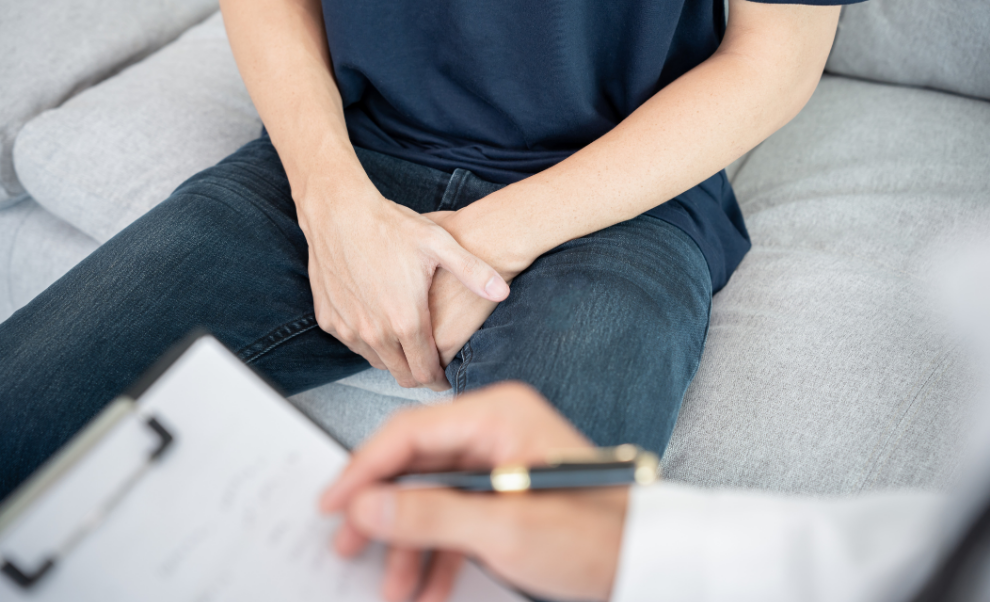
Bladder Problems and Urinary Incontinence cover a range of functional disorders, including overactive bladder (OAB), urgency, frequency, and involuntary urine leakage (incontinence). These conditions are common but require specialiszed diagnosis to distinguish between pelvic floor issues, nerve problems, or structural defects, leading to a highly focused treatment plan.
Book an AppointmentManagement strategies range from non-invasive therapies to highly specialised surgical reconstruction.
| Treatment Focus | Key Therapies & Procedures | Advantage |
|---|---|---|
| Diagnostics | Cystoscopy and Urodynamics (tests to assess bladder pressure and function). | Essential for accurate diagnosis and tailored treatment. |
| Behavioural/Medical | Fluid management, pelvic floor physiotherapy, and tailored pharmaceutical regimens. | Effective first and second-line treatments for OAB and stress incontinence. |
| Neuromodulation | Sacral Neuromodulation (SNS) or PTNS (Percutaneous Tibial Nerve Stimulation). | Advanced treatment for severe OAB or non-responsive bladder pain. |
| Surgical | Sling procedures or Artificial Urinary Sphincter (AUS) insertion. | Definitive surgical solutions for severe stress or post-prostatectomy incontinence. |
Our specialists adopt an investigative approach, ensuring the treatment matches the specific cause of the bladder dysfunction.
No. Most bladder issues are initially managed with behavioral modification, physiotherapy, or medication. Surgery is reserved for cases of severe stress incontinence or when non-surgical treatments fail.
Urodynamics is a diagnostic test that measures how the bladder stores and empties urine. It is crucial for differentiating between OAB and other causes of frequency/urgency.

Fill in the form and our friendly team will be in touch with you momentarily